Sustainable Fashion Is Going Mainstream: Awards, Local Initiatives, and How to Shop Smarter
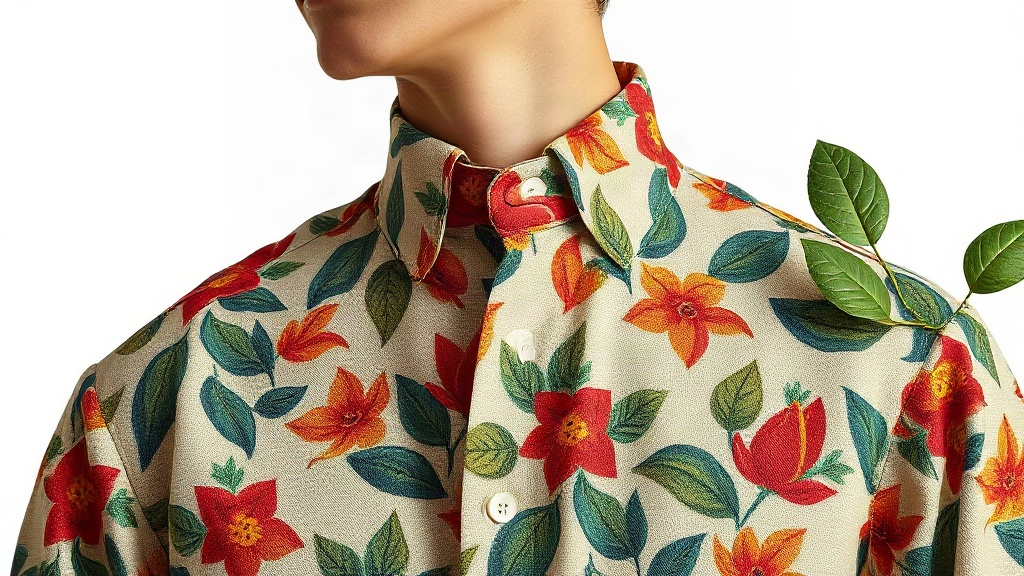
Sustainable fashion has moved from the fringes of the industry to the center of the conversation. Shoppers are asking sharper questions about where their clothes come from, who makes them, and what happens when they're no longer worn. Recent headlines suggest the movement is gaining recognition, community support, and a growing roster of credible brands.
Recognition Is Raising the Bar
The latest Twyg Sustainable Fashion Awards have just revealed their winners, a sign that responsible practice is being celebrated as a mark of excellence rather than a niche side project. Awards like these matter because they give shoppers a shortlist of names that have been vetted by peers and industry judges. They also push designers and retailers to compete on transparency, craftsmanship, and environmental impact, not just price and trend speed.
For brands, a win can bring visibility, credibility, and new customers. For the wider industry, it sets a benchmark that others can aim for.
Local Initiatives Are Proving the Model Works
Community-driven projects are showing that sustainable fashion doesn't have to be abstract or expensive. A recently reported sustainable fashion initiative has been described as hugely successful, which reflects a broader pattern: when people are given easy ways to swap, repair, resell, or upcycle clothing, they take part in large numbers.
These grassroots efforts work because they remove common barriers. Clothing swaps cut costs, repair workshops rebuild skills, and local resale events keep garments in circulation. Each of these extends the life of clothing, which is widely regarded as one of the most effective ways to reduce fashion's footprint.
Regional Brand Directories Make Choice Easier
One of the biggest hurdles for conscious shoppers is knowing where to start. Curated guides, such as Good On You's roundup of 40 sustainable fashion brands from Australia and New Zealand, help solve that problem. They show that responsible options now span everyday basics, activewear, denim, swimwear, and occasion wear.
Regional spotlights also highlight a useful point: buying closer to home can reduce shipping distances and support local makers and fair employment. Many brands in the region are leaning into natural fibers, recycled materials, small-batch production, and open supply chain reporting.
How to Shop More Sustainably Today
Making better choices doesn't require a wardrobe overhaul. A few habits go a long way:
- Buy less, choose well. Look for timeless designs and sturdy construction that will hold up through years of wear. - Check the materials. Organic cotton, linen, hemp, Tencel, and certified recycled fibers generally carry a lighter impact than virgin synthetics. - Look for proof. Credible certifications, published supplier lists, and clear sustainability reports are better indicators than vague claims like "eco-friendly." - Explore secondhand first. Resale platforms, vintage shops, and swap events offer quality pieces without the production footprint of something new. - Care for what you own. Washing less, using cooler cycles, mending small tears, and storing items properly can extend a garment's life significantly.
Watch Out for Greenwashing
As demand rises, so does the risk of misleading marketing. Vague buzzwords, a tiny "conscious" capsule from a fast-fashion giant, or claims without data should raise a flag. Regulators in many markets are paying closer attention to environmental claims, and savvy shoppers are doing the same. Independent ratings, third-party audits, and brands willing to discuss their shortcomings openly are usually more trustworthy than those promising perfection.
What Comes Next
The direction of travel is clear. Circular business models like rental, repair services, and take-back programs are becoming more mainstream. Material innovation is producing alternatives to resource-heavy fabrics. And consumers, especially younger ones, increasingly expect brands to back up their values with action.
Awards, community successes, and well-researched brand directories all point to the same conclusion: sustainable fashion is maturing. The most meaningful progress will come from combining smarter brand practices with shoppers who value longevity over novelty, one considered purchase at a time.