Sustainable Fashion in 2025: New Fibres, Investment and Emerging Designers Driving Change
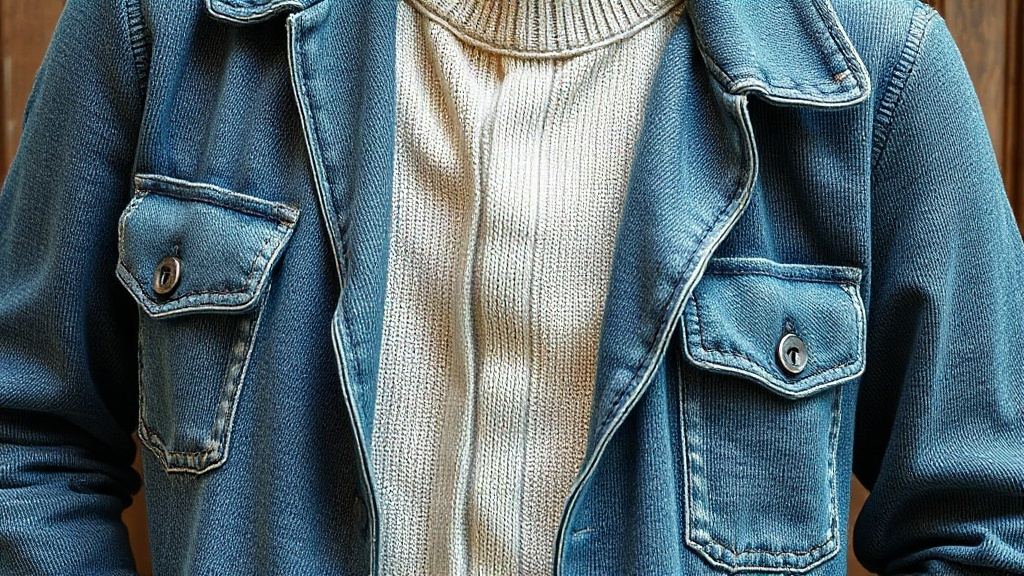
Sustainable fashion is moving past slogans and into the harder work of infrastructure, finance, and creative talent. Three recent stories show how those pieces are coming together, and what shoppers can expect from the industry next.
New Fibres Are Moving From Lab to Market
One of the biggest obstacles in sustainable fashion has never been a lack of ideas. It has been scaling them. Many innovative materials impress at pilot stage, then stall when it comes to production volumes, consistent quality, and price.
That is why the newly announced partnership between Spinnova and Positive Materials is worth watching. The collaboration is aimed at accelerating the commercialisation of sustainable fibres, and it reflects a wider shift in the sector. Material innovators are increasingly teaming up with partners who understand manufacturing, supply chains, and brand needs, rather than trying to go it alone.
For consumers, this matters more than it might seem. Fibres made with lower-impact processes only make a difference if they end up in products people can actually buy. Commercial partnerships are the bridge between a promising technology and a garment hanging on a rail.
Capital Is Following Conscious Consumer Demand
Money is the second half of the equation. British International Investment has backed a new fund designed to support sustainable fashion choices for UK consumers, a sign that institutional investors see lasting value in this space.
Whatever the specifics of individual funds, the direction is clear. Investors are looking for brands and business models that make it easier to buy better, whether through responsibly made collections, resale, repair, or transparent sourcing. Funding of this kind can help smaller labels grow without compromising their principles, and it puts pressure on larger players to keep pace.
Shoppers have been asking for greener options for years. Now the financial backing is starting to arrive, which should translate into wider choice and, ideally, more competitive pricing.
Emerging Designers Keep the Conversation Creative
Sustainability is not only a matter of materials and money. It is also about design thinking, and that is where emerging talent comes in. A Kilkenny fashion designer has reached the grand final of a sustainable fashion competition, a reminder that some of the most compelling ideas come from independent creators working with limited resources.
Competitions like this give young designers a platform to show what is possible when reuse, upcycling, and thoughtful construction are built into the process from the start. They also help shift perceptions. Sustainable fashion does not have to mean plain or compromised. At its best, it is inventive, expressive, and made to last.
What Shoppers Can Do Right Now
Industry progress is encouraging, but individual habits still count. A few practical steps can make a real difference:
- Buy fewer, better pieces. Prioritise quality, fit, and versatility over trend-driven impulse buys. - Check the fibre content. Look for brands that are transparent about what their garments are made from and how. - Embrace secondhand. Resale platforms and vintage shops extend the life of clothing and often offer excellent value. - Repair and care. Washing less, mending small damage, and storing garments properly can add years to their lifespan. - Support independent makers. Small designers often work with deadstock, local production, and low-waste techniques.
The Road Ahead
Taken together, these developments point to a maturing industry. Material science is edging closer to commercial reality, investors are putting capital behind responsible fashion, and new designers are showing how style and sustainability can coexist.
Challenges remain, including greenwashing, overproduction, and the sheer pace of fast fashion. Yet the building blocks of a more responsible wardrobe are falling into place: better fibres, smarter funding, and fresh creative voices. For anyone who cares about what they wear, the next few seasons are likely to bring more genuine options than ever before.