Sustainable Fashion Goes Mainstream: From Harry Styles' Conscious Style to Indonesia's Modest Fashion Push
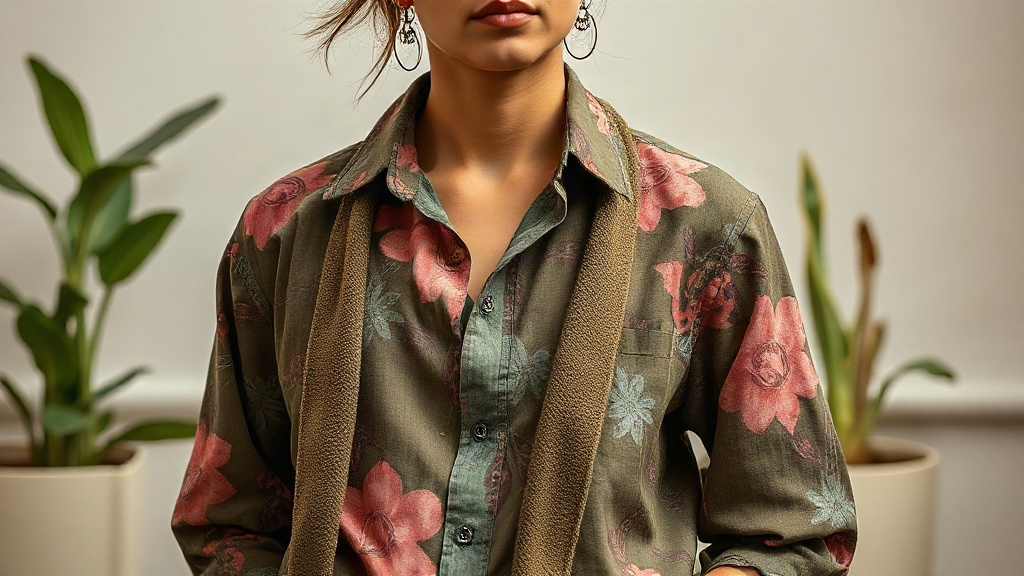
Sustainable fashion has moved well beyond the niche. It now shapes how celebrities dress, how emerging markets plan their export strategies, and how shoppers decide what deserves a place in their wardrobes. Two recent stories show how wide the conversation has become: a major pop star leaning into more conscious style choices, and an Indonesian industry event aimed at taking modest fashion to international buyers.
When Celebrity Style Turns Conscious
Vogue recently highlighted Harry Styles as fully in his sustainable fashion era. Whatever the specific pieces on display, the broader signal matters. Red carpets and tour wardrobes have long been engines of trend creation, and when a high-profile figure favors rewear, vintage, upcycled, or responsibly made clothing, it changes what looks aspirational.
For years, sustainable style carried a stigma of beige basics and compromise. Seeing it worn with confidence by someone known for bold, playful dressing challenges that stereotype. It suggests that responsible fashion and personal expression can coexist, and that creativity often thrives under constraints like limited materials or existing garments.
Modest Fashion Goes Global
On the other side of the world, MOVEFEST has opened with the aim of pushing Indonesian modest fashion toward global markets, as reported by the Jakarta Globe. Modest fashion is one of the most dynamic segments in the industry, and Indonesia, with its deep textile heritage and large creative community, is well placed to lead.
The connection to sustainability is natural. Many regional craft traditions, from handwoven textiles to batik techniques, are rooted in slow, small-batch production. Brands that build on this heritage can offer something fast-fashion giants cannot: provenance, craftsmanship, and a story buyers can verify. As international retailers and consumers look for transparency, that advantage grows.
What Shoppers Can Take From This
The most useful lesson from both stories is that sustainable fashion is not a single aesthetic or a single behavior. It is a set of habits and decisions that can fit many styles and cultures. Here are practical ways to apply that thinking:
- Buy fewer, better pieces. Cost per wear is a more honest measure of value than sticker price. - Look to the secondhand market first. Resale platforms, vintage shops, and clothing swaps offer variety without new resource use. - Check the material story. Natural fibers, certified organic cotton, deadstock fabrics, and recycled blends each carry different trade-offs, so look for brands that explain their choices clearly. - Care for what you own. Washing less, air drying, and repairing small damage can add years to a garment's life. - Support heritage craft. Purchasing from artisan-led labels helps sustain skills and livelihoods that mass production tends to erase.
The Challenge of Greenwashing
Growing interest also brings risk. As sustainability becomes a selling point, vague claims like "eco-conscious" or "planet-friendly" can appear with little evidence behind them. Regulators in several regions have been tightening rules around environmental marketing, and shoppers are becoming more skeptical.
The best defense is specificity. Credible brands name their factories, publish material breakdowns, share emissions or water-use data, and acknowledge where they still fall short. If a label cannot tell you where or how something was made, treat its green messaging with caution.
Why Visibility Matters
Cultural momentum and commercial opportunity are pulling in the same direction. When influential figures normalize rewearing and thoughtful sourcing, demand follows. When trade events help producers in emerging fashion hubs reach new audiences, supply becomes more diverse and more accountable.
The industry still faces serious problems, including overproduction, textile waste, and labor concerns. Yet the current mix of high-profile advocacy and market-building shows that sustainable fashion is increasingly part of the mainstream conversation about style itself. For consumers, that means more choices, better information, and a growing sense that looking good and choosing well do not have to be separate goals.