Retail Fashion Strategy: How Top Brands Protect Margins, Personalize Shopping, and Build Resilience
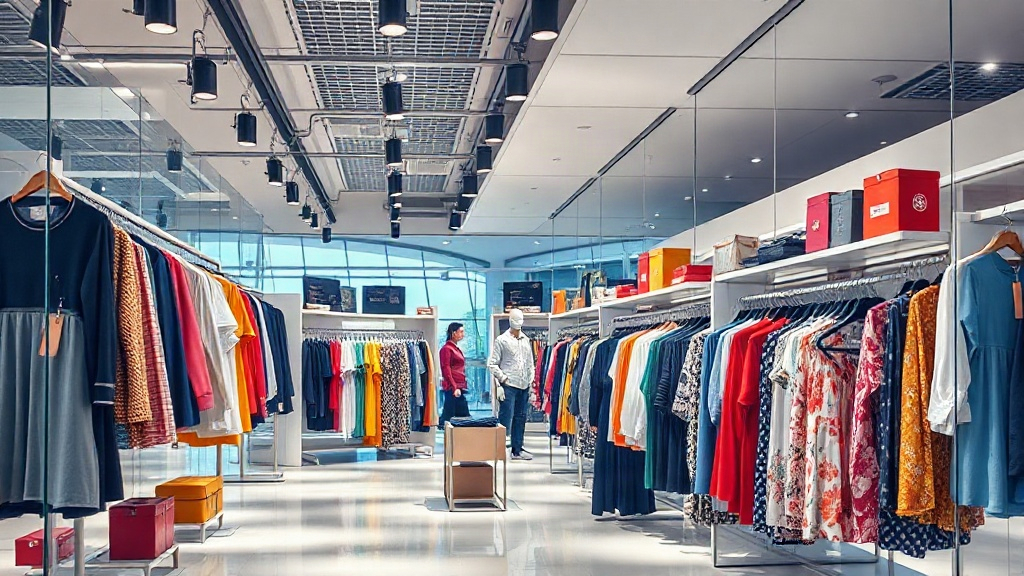
Retail fashion has entered a stage where strategy matters more than seasonal instinct. Shoppers are more selective, costs are less predictable, and technology is reshaping how people discover, try, and buy clothing. Brands that treat strategy as a living system, rather than an annual planning exercise, are the ones pulling ahead.
Margin Discipline Over Growth at Any Cost
For years, fashion retailers chased top-line growth through heavy promotion and aggressive expansion. That approach is losing ground. Industry outlooks from firms like PwC's Strategy& point toward a sharper focus on profitability, with retailers rethinking assortments, pricing architecture, and store footprints to protect margins in an environment of cautious consumer spending.
In practice, this means fewer SKUs with stronger sell-through, tighter inventory commitments, and smarter markdown planning. Retailers are leaning on demand forecasting to buy closer to need, reducing the deep discounts that train customers to wait for sales and erode brand equity.
Personalization That Actually Converts
Fashion ecommerce has matured, and generic personalization no longer cuts it. Salesforce and other platform providers highlight the same direction: shoppers expect experiences that reflect their size, style, past purchases, and even the moment they are shopping in.
The most effective strategies include:
- Unified customer profiles that connect online browsing, in-store purchases, and loyalty activity. - Size and fit guidance that reduces returns, still one of the costliest problems in apparel. - Dynamic merchandising that reorders category pages based on intent rather than a static seasonal layout. - Lifecycle messaging triggered by behavior, not just calendar-based email blasts.
Returns deserve special attention. Because fit and style uncertainty drive so many of them, investments in better product imagery, fit data, and customer reviews often pay back faster than new acquisition spend.
The Store Is a Media and Service Channel
Physical retail is not disappearing, but its role is changing. Smart fashion brands use stores as showrooms, fulfillment nodes, and community spaces. Click-and-collect, ship-from-store, and endless-aisle capabilities turn each location into a flexible piece of a broader network.
Smaller, more curated formats are gaining favor over sprawling footprints. They allow brands to test new neighborhoods, showcase hero products, and offer services like tailoring, styling appointments, or resale drop-offs that online-only competitors struggle to match.
Resale, Repair, and Responsible Fashion
Sustainability has shifted from a marketing angle to an operational question. Regulation around textile waste, transparency, and product claims continues to tighten across major markets, and consumers are increasingly skeptical of vague green messaging.
Forward-looking retailers are building circular models directly into their business: branded resale programs, repair services, take-back schemes, and more durable product lines. These initiatives do more than satisfy values-driven shoppers. They create a second revenue stream, deepen loyalty, and generate valuable data on how products age and are reused.
AI as a Practical Tool, Not a Gimmick
Artificial intelligence now sits across the fashion value chain, from trend forecasting and design assistance to search, chat-based shopping help, and supply chain planning. The winners are not necessarily those with the flashiest tools, but those that connect AI to clear commercial goals such as reducing stockouts, improving conversion, or shortening time to market.
A few principles help keep adoption grounded:
- Start with a specific problem, like fit recommendations or markdown optimization. - Keep clean, well-governed first-party data as the foundation. - Maintain human creative direction so the brand voice does not become generic.
Building a Resilient Fashion Strategy
Resilience comes from flexibility. Diversified sourcing, shorter lead times, and test-and-repeat buying models help retailers respond to tariffs, shipping disruptions, and sudden shifts in taste. Meanwhile, a clear brand point of view keeps all this agility from turning into chaos.
The strongest fashion retailers today combine three things: a tightly edited product story, a seamless connection between digital and physical channels, and operational discipline that protects profit. Brands that align those elements, and keep refining them with real customer data, will be best positioned to earn loyalty in a crowded and fast-moving market.