Old-School Selling Meets Gen Z: How Fashion Retail Is Reinventing the In-Store Experience
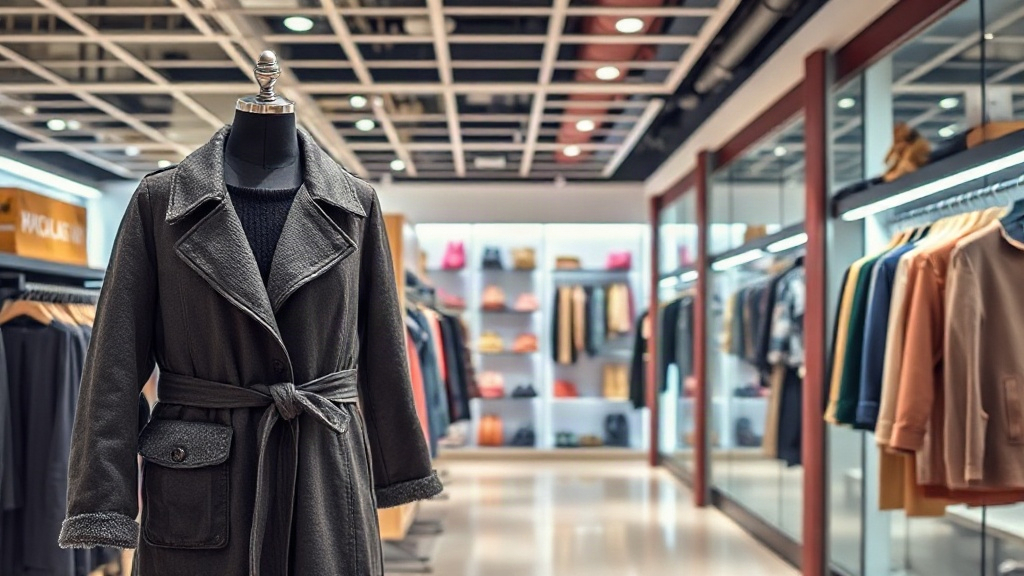
Fashion retail is in an odd moment. Technology has made it easier than ever to reach shoppers, yet many of the most effective tactics right now are decidedly analog. Recent industry coverage points to the same conclusion: brands that win are rediscovering old-school selling techniques and rebuilding their stores around a younger generation that expects far more than a rack of clothes and a checkout counter.
The Return of Relationship-Led Selling
The Business of Fashion recently highlighted how one of the industry's oldest sales approaches has become one of its hottest. The idea is simple: personal attention converts. Whether it takes the form of clienteling, private appointments, trunk shows, or one-to-one styling, high-touch selling is making a comeback because it solves a modern problem. Shoppers are drowning in choice and discounts, and they trust recommendations from real people more than another algorithmic banner ad.
For brands, the appeal goes beyond nostalgia. Relationship-led selling tends to raise average order value, reduce returns, and build the kind of loyalty that discount-driven promotions cannot. A customer who has been styled by a knowledgeable associate is far more likely to come back than one who simply caught a markdown.
This approach also fits the current economic climate. With consumers more selective and cautious about spending, retailers are leaning on fewer, better interactions rather than chasing volume through constant promotions. Protecting margin while deepening customer relationships is a powerful combination.
Gen Z Is Rewriting the Store Playbook
If personal service is the old idea being revived, Gen Z is the force reshaping where and how it happens. As Fashion United has reported, younger consumers are pushing retailers to rethink stores, space, and overall strategy. This generation has grown up shopping across social feeds, resale apps, and marketplaces, so a physical location has to offer something none of those channels can.
That something is experience. Gen Z shoppers respond to stores that feel like destinations: spaces with community events, creator collaborations, customization stations, repair services, and photo-worthy design. Square footage is being reallocated from dense inventory to activity. Smaller, more flexible formats are gaining ground over sprawling flagships, and many brands now treat a store as a media and engagement hub as much as a sales point.
Values matter too. Younger buyers scrutinize sustainability claims, pricing transparency, and brand authenticity. Resale, rental, and take-back programs are no longer side projects; they are becoming part of a credible core offer.
Blending the Two Into a Practical Strategy
The most interesting opportunity lies where these two trends meet. Old-school selling and Gen Z expectations are not opposites. A style consultation booked through a messaging app, a private shopping hour promoted by creators, or a store associate who follows up via chat all combine human warmth with digital convenience.
Retailers looking to act on this can focus on a few priorities:
- Invest in store teams. Staff who understand product, style, and customer data become a competitive advantage rather than a cost line. - Use data to personalize, not to intrude. Purchase history and preferences should help associates make better suggestions, not feel like surveillance. - Design for flexibility. Modular fixtures and multi-purpose spaces let stores host events, drops, and pop-ups without costly rebuilds. - Rethink success metrics. Foot traffic and sales per square foot tell only part of the story. Customer lifetime value, repeat visits, and community engagement increasingly matter. - Make omnichannel seamless. Whether a purchase starts on social media, in a fitting room, or in a chat thread, the experience should feel continuous.
What It Means Going Forward
Fashion strategy has often chased the next big disruption, but the current lesson is more grounded. Customers still want to feel seen, and they want brands to give them a reason to show up. Retailers that pair that timeless principle with the spaces, tools, and values a younger audience demands will be best positioned to grow, while those relying on discounts and generic store formats will find it harder to hold attention.
The future of fashion retail may look less like a technological leap and more like a smart return to what always worked, reimagined for the people shopping today.