Fashion Retail Strategy: How Distinctive Products, Ecosystems, and Creative Direction Drive Growth
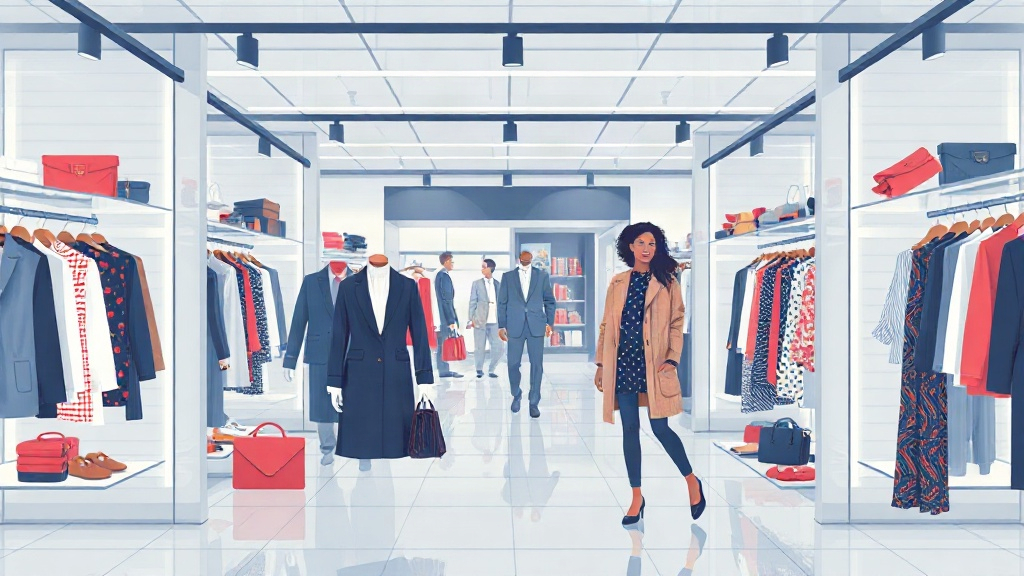
Fashion retail has entered a phase where standing out matters more than scaling up. Shoppers are cautious with their budgets, yet they still reward brands that offer a clear point of view, a memorable store experience, and products that feel worth talking about. Recent industry coverage points to three strategic themes: product as a marketing engine, the rise of the "ecosystem" model, and creative direction as a commercial lever.
Distinctive Product as a Growth Strategy
Recent reporting from The Business of Fashion explored how unconventional footwear has become a deliberate business strategy rather than a novelty. The logic is simple. In a crowded market where basics are interchangeable and discounting erodes margins, a polarizing product earns attention that paid media struggles to buy.
A bold shoe does several jobs at once. It generates social conversation, gives stores a visual anchor, and pulls shoppers into a brand's wider range. Even customers who never buy the statement piece often leave with a more accessible item from the same label. The oddball product acts as a halo, lifting perception and traffic across the assortment.
For retailers and brands of any size, the lesson is to define a signature product with intent. That means choosing a hero category, committing to it visually, and supporting it with consistent storytelling across e-commerce, social channels, and physical displays.
The Ecosystem Model in Luxury Retail
Another notable shift is the move toward building interconnected retail "ecosystems." Frasers Group recently unveiled a new strategy centered on a global luxury ecosystem, a signal that large retail groups are thinking beyond individual stores or banners. The ecosystem approach links physical locations, digital platforms, brand partnerships, and customer data so each touchpoint reinforces the others.
This matters because luxury consumers rarely move through a single channel. They research online, visit a flagship, ask for advice from a stylist on messaging apps, and expect a seamless transaction wherever they land. Retailers that treat these as separate businesses leak revenue and loyalty at every handoff.
Key elements of a strong ecosystem strategy include:
- Unified customer profiles that recognize shoppers across channels - Curated environments that match the brand's positioning, from store design to service standards - Flexible fulfillment such as reserve-in-store, delivery, and easy returns - Selective partnerships that add prestige or reach without diluting identity
Creative Direction Meets Retail Execution
Chanel offers a useful case study in how creative leadership and retail discipline work together. Coverage in WWD examined how the house's president of fashion, Bruno Pavlovsky, views sales growth, retail strategy, and the influence of designer Matthieu Blazy a year into his tenure. The broader takeaway is that a new creative chapter only pays off commercially when the stores, merchandising, and client experience are ready to translate it.
Top-tier houses tend to protect exclusivity by controlling distribution tightly, investing in boutique renovation, and training sales teams to tell the story behind each collection. A fresh design language can reinvigorate interest, but it is the in-store and clienteling experience that converts curiosity into purchases and repeat business.
What Retailers Can Apply Right Now
You do not need a luxury-sized budget to borrow these ideas. Consider the following moves:
1. Build around a hero product. Identify one item or category that expresses your brand identity, then give it prominent placement and consistent visual treatment. 2. Connect your channels. Make sure inventory visibility, customer data, and service quality carry across online and offline touchpoints. 3. Invest in experience over volume. Fewer, better-designed retail moments often outperform broad but forgettable exposure. 4. Align creative and commercial teams. Design vision should be planned alongside merchandising, pricing, and store operations from the start. 5. Be selective with discounting. Constant markdowns train customers to wait, while distinctive product and strong service protect full-price sell-through.
The Road Ahead
The common thread across these developments is intentionality. Whether it is an unusual shoe, a carefully integrated luxury network, or a creative reset supported by precise retail execution, the winners are brands that know exactly who they are and build every touchpoint to prove it. As consumer expectations keep rising and attention stays scarce, differentiation is no longer a branding exercise alone. It is the core of retail strategy.