Fashion Manufacturing Trends: Heritage Craft, Local Production, Climate Pressure and Digital Sourcing
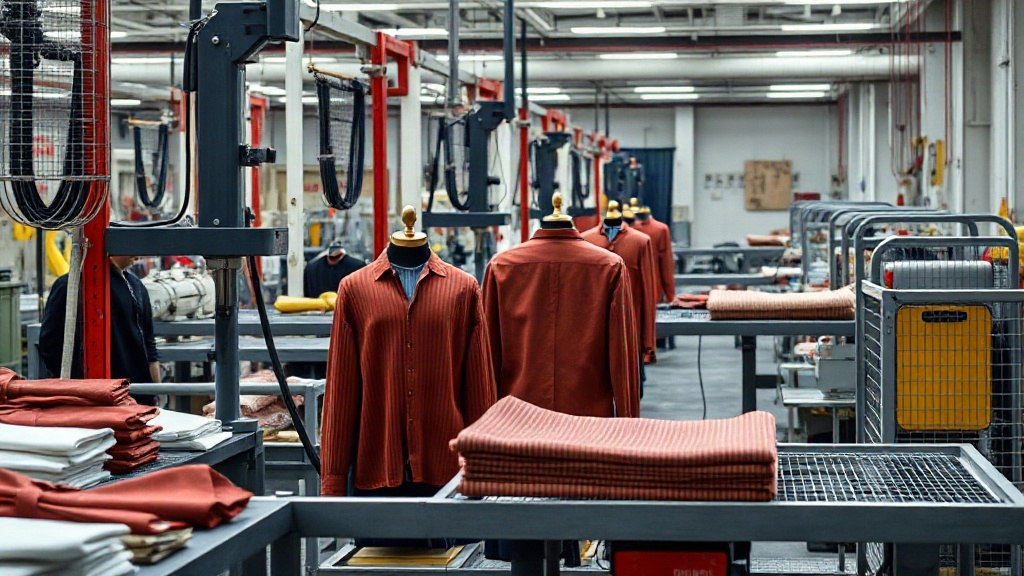
Fashion manufacturing is being pulled in several directions at once. Brands want speed and lower costs, shoppers expect transparency, and regulators and climate negotiators are paying closer attention to where and how garments are made. Recent headlines show an industry rethinking its fundamentals, from heritage knitwear mills to digital sourcing platforms.
Heritage Makers Are Betting on Craft
Recent coverage of John Smedley, the British knitwear maker with a long history of producing fine-gauge garments, highlights a challenge many established manufacturers face. Operating in a tough market means balancing tradition with the need to modernize. Heritage brands can't rely on provenance alone. They have to show that craft, quality materials and longevity justify a higher price than fast fashion.
That approach is gaining ground. Consumers who have grown wary of disposable clothing are more willing to invest in pieces that last, and manufacturers with deep technical expertise are well placed to meet that demand. The most resilient companies pair traditional skills with product innovation, new fibers and more efficient production methods.
The Debate Over a British Manufacturing Revival
Industry discussion has also turned to whether British fashion manufacturing can make a comeback. The idea is appealing. Shorter supply chains mean faster turnaround, lower transport emissions, better oversight of working conditions and more flexibility for small-batch or made-to-order production.
The obstacles are just as clear:
- Skills shortages: Experienced pattern cutters, machinists and knitters are in short supply, and training pipelines take years to rebuild. - Cost pressure: Domestic production is more expensive, so brands must decide whether customers will pay for it. - Infrastructure: Many specialist mills, dye houses and finishing facilities have closed, and rebuilding the surrounding ecosystem is no small task.
A realistic revival likely won't replace offshore production. It looks more like a hybrid model, with local factories handling premium lines, quick-turn capsules and sampling, while larger volumes are made elsewhere.
Climate Policy Is Reaching the Factory Floor
Fashion's role in climate talks is another sign of how closely manufacturing is being scrutinized. With discussion around COP31 focusing on what's at stake for the sector, one point keeps recurring. Most of an apparel brand's emissions come from the supply chain, especially fabric production, dyeing, finishing and the energy that powers factories.
For manufacturers, that means decarbonization is moving from a marketing talking point to a commercial requirement. Brands increasingly ask suppliers for verified emissions data, plans to move away from coal-fired energy and evidence of responsible water and chemical management. Factories that invest early in renewable energy, efficient machinery and traceable materials will be better positioned to keep and win contracts.
Digital Sourcing Is Changing How Brands Find Suppliers
While policy and heritage craft dominate part of the conversation, technology is reshaping the practical side of production. B2B sourcing platforms, such as Fashion Sourcing, which connects brands with clothing and apparel manufacturers, reflect a broader shift toward digital supplier discovery. Instead of relying on trade shows and personal networks alone, designers and buyers can now compare factories, minimum order quantities and capabilities online.
This is especially useful for emerging labels that need smaller production runs and flexible partners. It also puts pressure on manufacturers to present clear, verifiable information about certifications, capacity and lead times. Suppliers that are easy to evaluate and communicate well are more likely to be shortlisted.
What Fashion Manufacturers Should Focus On Next
Several priorities stand out for manufacturers and the brands that work with them:
1. Invest in people. Training programs and apprenticeships protect the skills that set quality producers apart. 2. Build transparency into operations. Traceability and emissions reporting are quickly becoming baseline expectations. 3. Offer flexibility. Smaller runs, faster turnaround and customization respond to how demand really behaves. 4. Use digital tools wisely. Online visibility, digital sampling and data-driven planning reduce waste and speed up decisions. 5. Tell the story honestly. Provenance and craftsmanship matter most when they are backed by evidence.
The common thread across these developments is that manufacturing is no longer a hidden back end of the fashion business. It's a competitive advantage, a sustainability lever and a storytelling asset. Companies that treat it that way, whether they're century-old knitwear mills or new sourcing platforms, are the ones most likely to thrive as the industry continues to evolve.