Fashion Manufacturing Shake-Up: Near-Shoring Challenges, Waste-Cutting Tech, and New Funding for Domestic Makers
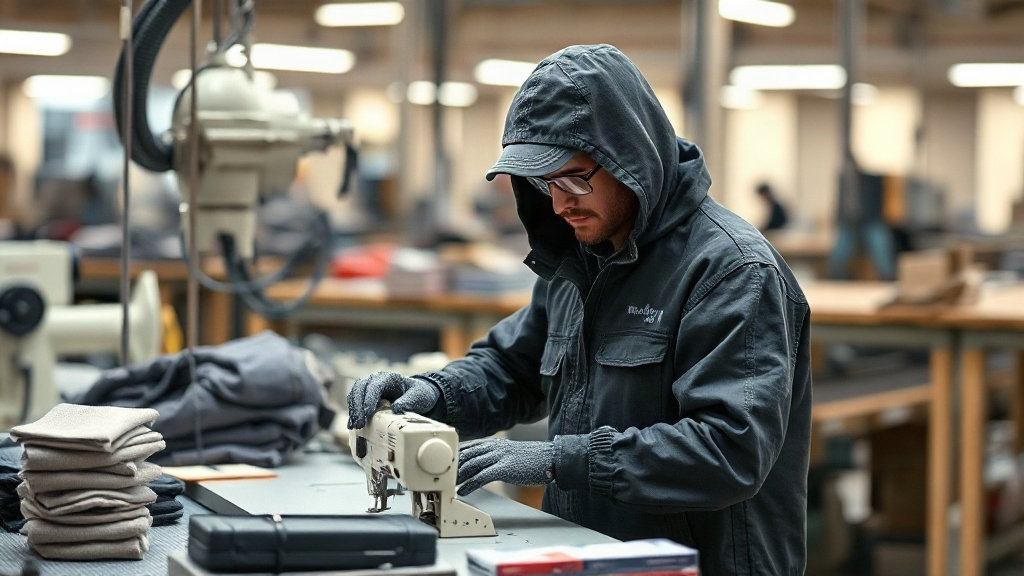
Fashion manufacturing is going through one of its most significant reshuffles in decades. Brands want faster turnarounds, lower waste, and supply chains that can absorb shocks. Three recent developments show how the pressure is playing out: a stalled attempt to build a local production hub, a rising appetite for waste-cutting machinery, and fresh funding aimed at domestic makers.
Why Local Production Is Harder Than It Looks
Shein's effort to turn Brazil into a production hub, as reported by Reuters, is a useful reality check. The ultra-fast-fashion giant sought to shift part of its output closer to a large consumer market, but local factories reportedly walked away from the arrangement.
The takeaway is that proximity alone doesn't make a partnership work. Manufacturers weigh payment terms, order volatility, pricing pressure, and the operational demands of a model built on tiny batches and rapid replenishment. For a factory with established customers, a buyer that asks for speed and rock-bottom costs may not be worth the strain on capacity and margins.
Any brand considering regional sourcing should treat factories as long-term partners, not interchangeable capacity. Fair pricing, forecasting transparency, and realistic lead times matter as much as geography.
Technology That Cuts Waste at the Source
While sourcing strategies get tested, equipment investment is picking up. Recent market analysis points to growing demand for full-fashion knitting machines, driven by near-shoring and the push to reduce waste.
Full-fashion knitting shapes a garment as it is knitted, rather than cutting panels from larger pieces of fabric. That means less offcut material, fewer sewing steps, and a product that is closer to finished when it leaves the machine. For brands under scrutiny over textile waste and overproduction, this is a practical lever rather than a marketing line.
The connection to near-shoring is just as important. Digitally controlled knitting equipment can run smaller batches and switch designs quickly, which suits shorter supply chains and made-to-demand production. A nearby factory with flexible machinery can respond to sales data in weeks instead of months, cutting the markdown risk that comes with guessing demand far in advance.
Funding the Skills and Infrastructure Gap
Equipment is only part of the equation. Domestic and regional production also depends on skilled sewers, pattern makers, technicians, and small factories that can afford to modernize. That's the gap addressed by two grant programs launched by Ralph Lauren and the CFDA, reported by Manufacturing Dive.
Industry-backed grants matter because many small and mid-sized manufacturers operate on thin margins and can't easily fund new machinery, training, or capacity expansion. Support from major brands and trade organizations signals that the sector is treating manufacturing capability as a strategic asset, not just a cost center.
What Brands and Suppliers Should Take From This
Taken together, these stories point to a few clear priorities:
- Build partnerships, not just purchase orders. Shein's experience shows that factories will walk if terms don't work for them. - Invest in flexibility. Machinery that reduces waste and supports small runs makes shorter supply chains economically viable. - Support the talent pipeline. Grants, training, and apprenticeships help ensure the workforce exists when production moves closer to home. - Plan for resilience. Diversifying sourcing across regions reduces exposure to disruption, tariffs, and shipping delays.
The Road Ahead
Fashion manufacturing is shifting from a purely cost-driven model toward one that balances speed, sustainability, and reliability. Near-shoring will not suit every product category, and it won't succeed without realistic commercial terms and skilled labor. But the combination of smarter machinery, targeted funding, and lessons from high-profile missteps is shaping a more adaptable industry.
Brands that approach regional production as a long-term capability, backed by technology and fair supplier relationships, are best placed to benefit. Those chasing quick fixes may find, like Shein in Brazil, that factories have options of their own.