Fashion Manufacturing's Big Shift: Made in the USA, Automation, and Africa's Rise
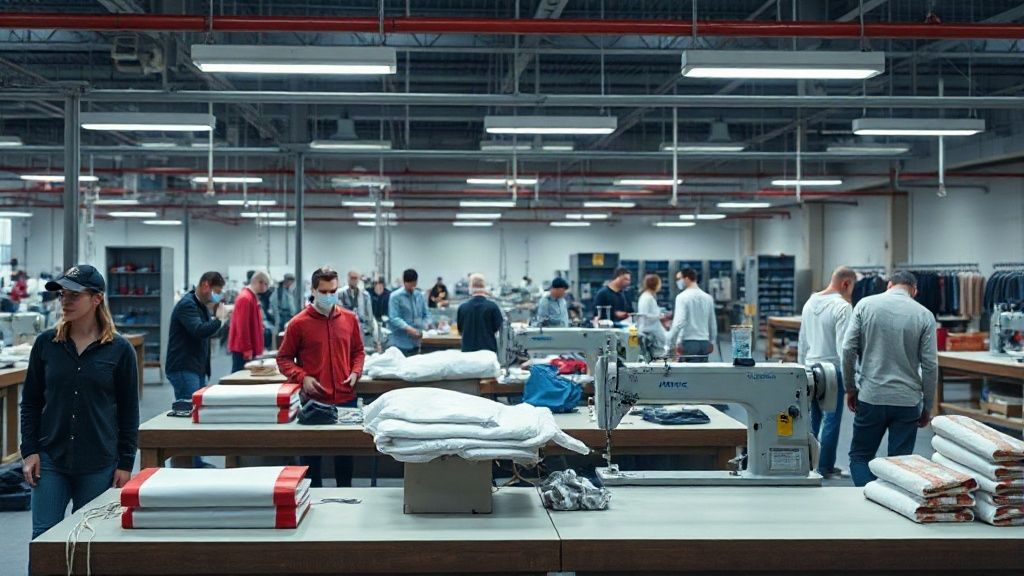
Fashion manufacturing is going through one of its most interesting shifts in decades. After years of chasing the lowest possible labor cost, brands, investors, and policymakers are rethinking where and how clothes are made. Three recent stories show how varied that rethink has become: a push to revive American production, automated sewing arriving in Manhattan, and a continental conversation about growing Africa's fashion industry.
The Push to Rebuild Domestic Production
Coverage of the "Made in the USA" revival, including a recent feature from Ohio University, points to growing interest in stitching together a domestic apparel supply chain. The appeal is easy to understand. Shorter lead times, tighter quality control, and a clearer story for shoppers who want to know where their clothes come from all make local production attractive.
The challenge is that the infrastructure behind it has thinned out over the years. Cut-and-sew factories, pattern makers, and skilled machine operators are harder to find than they once were. Rebuilding that ecosystem takes training programs, patient capital, and brands willing to commit to smaller, more frequent production runs instead of massive overseas orders.
Automation Moves Into the City
Just as notable is a startup bringing automated fashion manufacturing to Manhattan's West Side, as reported by CoStar. Putting production in one of the most expensive real estate markets in the country says a lot about the thinking behind it. If automation can cut labor-intensive steps and reduce waste, proximity to designers, showrooms, and customers can outweigh the cost of the space.
This model matters because sewing has long resisted automation. Fabric is soft, stretchy, and unpredictable, which makes it hard for machines to handle. Advances in robotics, computer vision, and software-driven cutting are now narrowing that gap. Even partial automation can help with on-demand and made-to-order production, which lets brands produce closer to actual demand and avoid piles of unsold stock.
Africa's Growth Ambitions
Africa is the third piece of the picture. A recent discussion from the Council for African Fashion Africa (CAFA), covered by Premium Times Nigeria, centers on how to grow the continent's fashion industry. The ambition is substantial. Africa has a young population, a rich textile heritage, and a rapidly expanding creative economy. Turning that potential into a competitive manufacturing sector, however, depends on several things:
- Reliable infrastructure: consistent power, efficient logistics, and accessible ports lower production costs and delivery risk. - Skills development: training in pattern making, technical design, and production management builds a workforce that can meet international standards. - Access to financing: small and mid-sized producers need capital to invest in equipment and scale beyond local orders. - Regional trade: cross-border markets within the continent can give manufacturers the volume they need to grow.
What These Stories Have in Common
On the surface, a robotic production line in New York and a growth strategy for African designers have little in common. Look closer and they share a theme: the industry is moving away from a single, cost-driven model of global production.
Several forces are driving that change:
- Speed to market: consumers expect new styles quickly, and long supply chains make that difficult. - Supply chain resilience: recent disruptions have shown the risk of relying heavily on a few distant production hubs. - Sustainability pressure: regulators and shoppers increasingly want less waste, more transparency, and traceable materials. - Technology access: digital design, 3D sampling, and automated production tools are becoming more affordable.
What Brands Should Be Doing Now
For brands and sourcing teams, the practical takeaway is to build flexibility into the supply chain. That might mean pairing a primary overseas partner with a nearshore or domestic option for fast-turn styles. It might mean testing small-batch or on-demand runs to reduce inventory risk. It could also mean looking at emerging production regions that offer both creative talent and room to grow.
Transparency matters just as much. Shoppers are more informed than ever, and "where was this made?" is no longer a niche question. Brands that can answer it clearly, with evidence, will build trust that is hard to copy.
Fashion manufacturing is not heading toward one winner, whether that is onshore, offshore, automated, or artisanal. It is heading toward a more layered system in which different methods and regions serve different needs. The companies that thrive will be those that understand the trade-offs and build a production strategy that is adaptable, accountable, and ready for the next shift.