Fashion Manufacturing Is Changing: How Speed, Sustainability, and Fair Purchasing Are Reshaping the Industry
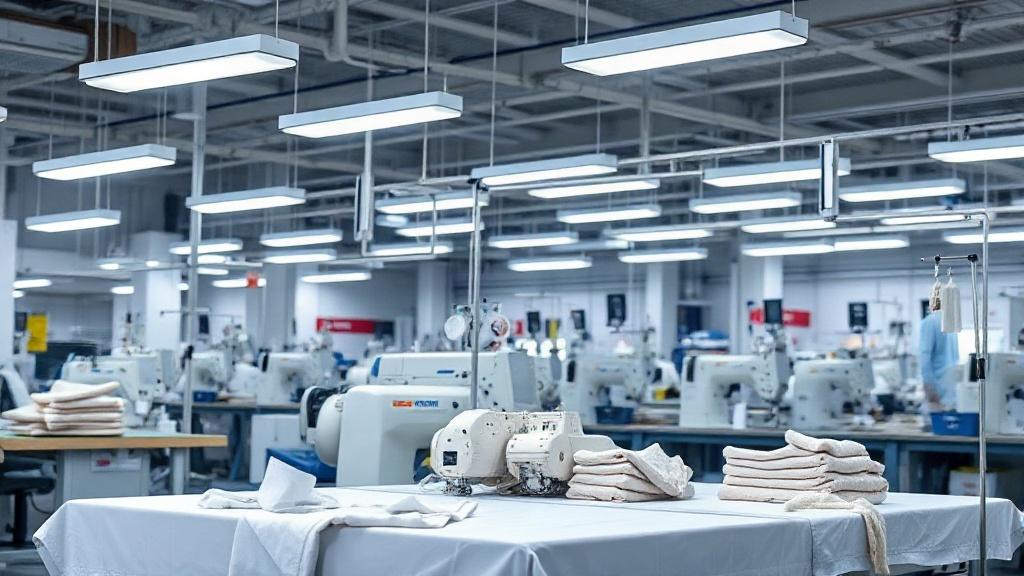
Fashion manufacturing is going through one of its most significant transformations in decades. Brands that once relied on long lead times, huge seasonal orders, and distant supply chains are rethinking how clothing gets made. Speed, sustainability, and fair treatment of suppliers are no longer separate conversations. They are increasingly intertwined, and the companies that connect them are the ones pulling ahead.
The Push for Speed Without Waste
Consumers expect fresh styles at a rapid pace, yet retailers are under pressure to cut overproduction. Industry analysis, including recent research from McKinsey & Company on reinventing apparel manufacturing, points to a clear conclusion: the traditional model of forecasting months ahead and committing to large volumes is too slow and too wasteful.
The alternative is a more responsive approach. Brands are shifting toward smaller initial orders, in-season replenishment, and shorter production cycles. That means closer coordination between design, sourcing, and factory floors. When a style performs well, production can scale up quickly. When it doesn't, the financial and environmental cost of unsold stock stays contained.
Nearshoring and regional production hubs are central to this approach. Manufacturing closer to key markets reduces transit times, lowers freight emissions, and gives brands more flexibility to react to trends. It rarely replaces offshore production entirely, but a blended footprint is becoming the norm.
Technology on the Factory Floor
Digital tools are making this agility possible. 3D design software allows teams to create and review virtual samples, cutting down on physical prototypes that consume fabric, time, and shipping. Automated cutting, advanced sewing technology, and real-time production tracking help factories improve efficiency and reduce errors.
Data is just as important as machinery. Better demand forecasting, integrated planning platforms, and traceability tools help brands understand where each garment comes from and how it was made. As regulations around supply chain transparency and product sustainability tighten across major markets, this visibility is becoming a compliance requirement as well as a competitive advantage.
The Human Side: Fair Purchasing Practices
Speed and innovation only work if the manufacturers behind them are healthy businesses. Recent findings from a UK fashion manufacturing survey, reported by the University of Leicester, highlight a persistent problem: many manufacturers describe experiencing unfair purchasing practices. These can include late payments, last-minute order changes, price pressure after production has begun, and cancellations that leave suppliers carrying the cost.
These behaviors undermine the very resilience brands say they want. Factories squeezed on margins struggle to invest in new equipment, train skilled workers, or improve environmental performance. In turn, that can lead to compliance risks, quality issues, and the loss of valuable local manufacturing capacity.
Responsible purchasing is gaining attention as a result. Practical steps include:
- Setting clear, realistic lead times and sticking to them - Paying invoices on agreed terms - Sharing forecasts early to help suppliers plan capacity - Negotiating cost changes transparently rather than imposing them late - Building long-term partnerships instead of chasing the lowest bid each season
Sustainability as a Business Strategy
Sustainability is moving from marketing language to operational reality. Manufacturers are investing in renewable energy, water-saving dyeing processes, recycled and lower-impact fibers, and waste reduction programs such as reusing fabric offcuts. Circular models, including repair, resale, and textile-to-textile recycling, are pushing producers to think about what happens to a garment long after it leaves the factory.
Crucially, these goals are easier to achieve when production is better planned. Less overproduction means fewer discounted leftovers and lower resource use. Stable supplier relationships make it more realistic to fund cleaner technologies.
What Comes Next
The future of fashion manufacturing will likely belong to brands that treat their suppliers as strategic partners, adopt digital tools with purpose, and design supply chains for flexibility rather than sheer volume. Those that continue to rely on rigid forecasts and aggressive purchasing tactics risk falling behind, both commercially and reputationally.
For manufacturers, the opportunity lies in showcasing capability: faster turnaround, transparent data, and credible sustainability performance. For brands, the message is equally clear. Better purchasing behavior, smarter planning, and investment in modern production methods are the foundation of a fashion industry that can grow without sacrificing people or the planet.