Fashion Manufacturing in 2025: How Tariffs, Automation, Sustainability and Fair Sourcing Are Reshaping Supply Chains
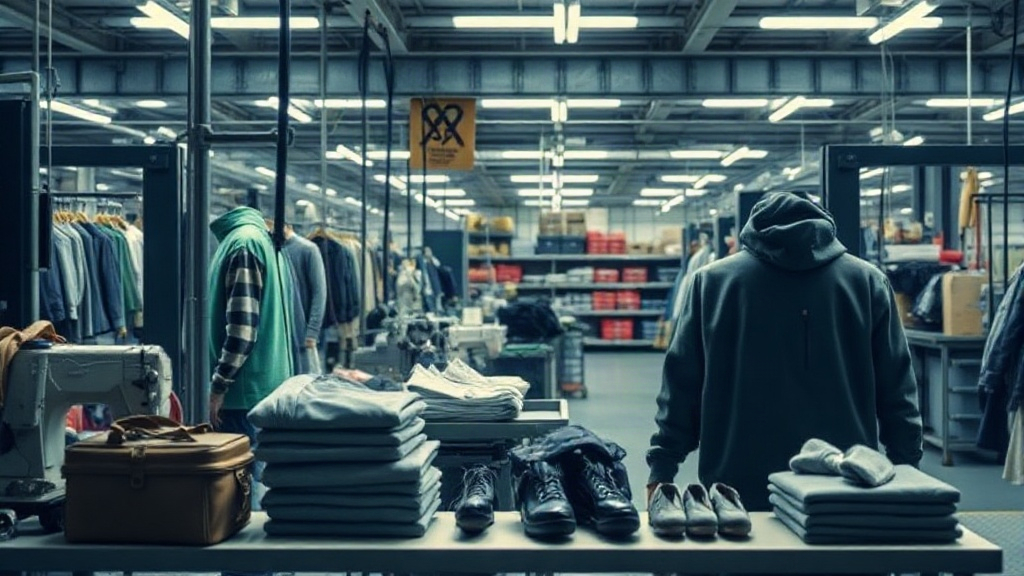
Fashion manufacturing is going through one of its biggest shake-ups in decades. Trade policy, environmental pressure, supplier fairness and new automation are all converging at once, and brands that once relied on a single low-cost sourcing model are rethinking nearly every part of their supply chains.
Tariffs Are Redrawing the Sourcing Map
For years, the formula was simple: design in one market, produce in the lowest-cost country, and ship globally. Tariffs have disrupted that logic. Recent coverage from Vogue has described how shifting duties have reshaped the global fashion map, pushing brands to spread production across more countries and rethink where their garments are cut, sewn and finished.
The result is a more fragmented, flexible approach often called "China plus many." Rather than abandoning established hubs, brands are layering in suppliers across Vietnam, Bangladesh, India, Turkey, Portugal, Morocco and Central America. The goal is resilience: if costs spike or shipping lanes tighten in one region, orders can move elsewhere.
That flexibility comes at a price. Qualifying new factories takes time, quality control becomes more complex, and smaller brands often lack the leverage to negotiate favorable terms with unfamiliar partners.
Automation Moves Closer to the Customer
While tariffs push production across borders, technology is pulling it back toward consumers. A startup recently made headlines for bringing automated fashion manufacturing to Manhattan's West Side, a sign that urban, tech-enabled production is moving from concept to commercial reality, according to CoStar.
The appeal is clear. Automated cutting, digital pattern-making and robotic assistance can shorten lead times from months to days. Local production also reduces freight, limits exposure to tariffs and supports made-to-order models that cut down on unsold inventory.
Sewing remains the hardest step to automate fully, since fabric is soft, stretchy and unpredictable. Still, hybrid approaches, where machines handle cutting, knitting or bonding and skilled workers manage complex assembly, are growing quickly. Expect on-demand micro-factories to become a meaningful complement to offshore mass production rather than a replacement for it.
The Environmental Cost Can't Be Ignored
Sustainability pressure is intensifying alongside these shifts. Analysis from Earth.Org continues to highlight the toll of fast fashion: heavy water consumption, textile waste, chemical pollution from dyeing and finishing, and carbon emissions tied to synthetic fibers and long-distance shipping.
Manufacturing choices sit at the center of this problem. Overproduction is the most stubborn issue, because garments made but never sold carry the same environmental burden as those that are worn. Regulations in Europe and elsewhere are increasingly targeting waste, product durability and supply chain transparency, which means manufacturers need better data on materials, energy use and processes.
Practical steps gaining traction include:
- Waterless and low-impact dyeing technologies - Recycled and next-generation fibers - Smaller, more frequent production runs informed by real demand - Digital product passports that trace garments from fiber to finished item
Fair Purchasing Practices Matter
Sustainability is not only about materials. A UK fashion manufacturing survey reported by the University of Leicester revealed that many suppliers experience unfair purchasing practices, such as late payments, last-minute order changes and pressure to accept prices that do not cover costs.
These behaviors undermine the very resilience brands say they want. Factories squeezed on margins struggle to invest in equipment, training or better working conditions, and they are more likely to cut corners. Responsible sourcing starts with realistic lead times, accurate forecasting, prompt payment and transparent communication.
What Comes Next
The most competitive fashion manufacturers and brands will likely share a few traits: diversified sourcing, selective use of automation, measurable environmental progress and fair supplier relationships. None of these can be solved in isolation. A nearshore micro-factory that overproduces is still wasteful, and a low-cost supplier pushed to the brink is still a risk.
For brands, the message is straightforward. Treat manufacturing as a strategic advantage rather than a cost line, and invest in partnerships, technology and transparency now. The companies that do will be best placed to handle whatever trade rules, consumer expectations and supply chain shocks arrive next.