Apparel Industry Trends: How Polarized Markets, Smarter Sourcing, and Circular Fashion Are Reshaping Retail
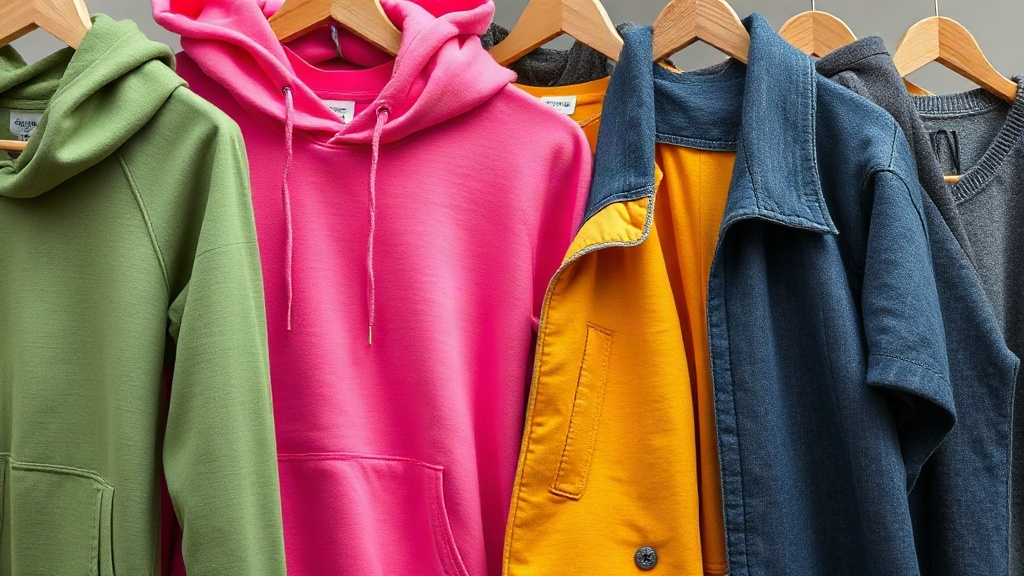
The apparel industry is in the middle of a reset. Shoppers are more selective, supply chains are being redrawn, and the old playbook of chasing volume with endless new drops is losing its grip. Brands that adapt to the new rules are pulling ahead, while those leaning on legacy habits are struggling to hold their ground.
A More Polarized Marketplace
Industry analysts keep returning to the same theme: the market is splitting. Brands at the value end and the luxury end can both find momentum, while the squeezed middle faces pressure. Consumers are trading down on everyday basics and saving for pieces they see as worth the money.
The result is a clear divide between winners and losers. Companies with a distinct identity, strong pricing discipline, and loyal communities tend to outperform those competing only on discounts. Performance-driven and lifestyle labels that blend comfort with style continue to grow, while generic mid-priced retailers with little to say are losing relevance.
Fast Fashion Under the Microscope
Fast fashion remains one of the most debated topics in the sector. Its model of rapid trend replication, low prices, and huge volumes has drawn criticism for textile waste, overproduction, and labor practices. Regulators in Europe and beyond are responding with tighter rules around waste, extended producer responsibility, and environmental claims.
Ultra-fast, digital-first players are facing increased scrutiny on everything from product safety to import rules. Even the biggest names are adjusting by slowing certain collections, investing in better materials, and launching take-back or repair programs. The message is that cheap and fast is no longer a risk-free strategy.
Trade Uncertainty and Smarter Sourcing
Shifting tariffs and trade policies have forced apparel companies to rethink where and how they make their products. Diversifying sourcing across multiple countries, shortening lead times, and building flexibility into supplier contracts are now standard priorities rather than nice-to-haves.
Nearshoring is gaining attention for faster turnaround and lower inventory risk. Brands are also using better demand forecasting to produce smaller runs, reorder quickly, and avoid the markdown cycles that eat into margins.
Ecommerce Gets Smarter
Online fashion continues to evolve beyond simple storefronts. Retailers are investing in personalization, better search, virtual try-on, and size recommendation tools to cut down on returns, one of the costliest challenges in online apparel. Social commerce and creator-led storytelling are also shaping how shoppers discover new labels, often before they ever visit a brand's website.
Key ecommerce priorities include:
- Return reduction: accurate fit guidance and detailed product content. - Community-driven discovery: short-form video, influencers, and user-generated content. - Seamless checkout: flexible payment options and fast, transparent delivery. - First-party data: building direct customer relationships as privacy rules tighten.
Resale, Repair, and Circular Thinking
Secondhand fashion has moved from niche to mainstream. Resale platforms attract shoppers of every age, and many brands now run their own pre-owned programs to keep customers in their ecosystem. Repair services, rental, and recycled-fiber collections add to a broader shift toward circularity.
This is partly about values and partly about economics. Value-conscious shoppers appreciate lower prices and unique finds, while brands gain a new revenue stream and valuable insight into how their products hold up over time.
Technology Behind the Scenes
Artificial intelligence is increasingly embedded in design, merchandising, and marketing. Teams use it to analyze trends, speed up product development, and tailor campaigns. Digital product passports and improved traceability tools are also emerging as brands prepare for stricter transparency expectations.
The most successful adopters treat technology as a way to support creativity and decision-making, not replace the brand voice that makes customers care in the first place.
What Comes Next
The apparel industry rewards agility. Companies that stay close to their customers, manage inventory carefully, and back sustainability claims with real action are best placed to thrive. Shoppers today want quality, clarity, and a reason to believe in the brands they buy from.
For anyone working in fashion or following it as a consumer, the takeaway is simple: the rules are changing, and the labels that change with them will define the next chapter of the industry.