AI, Tokenized Goods, and Regional Clusters: How Fashion Manufacturing Is Changing
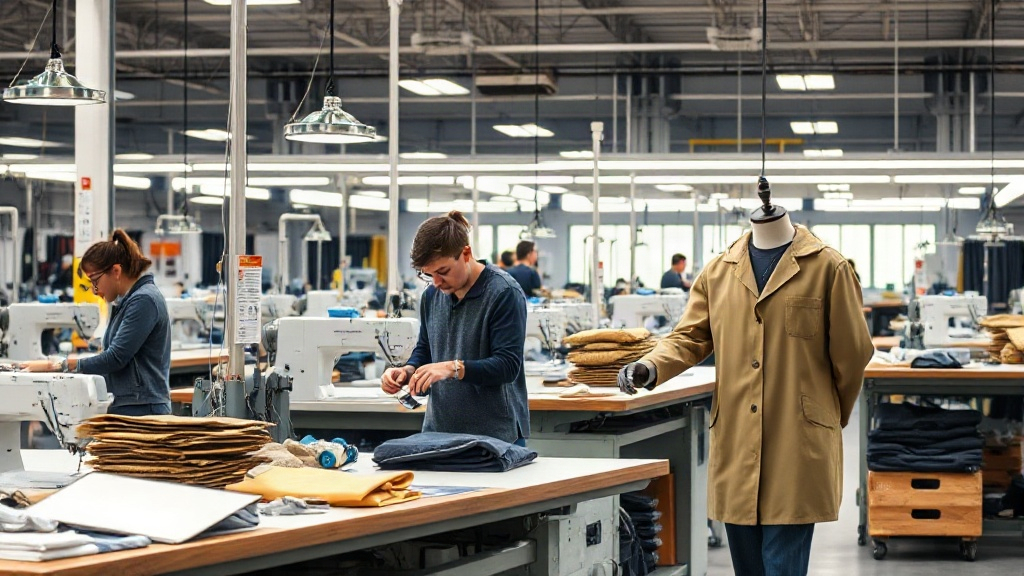
Fashion manufacturing is going through one of its most interesting shifts in decades. Two recent headlines show the range of change: a startup raising capital to blend AI-driven apparel production with tokenized goods, and an Indian state steadily building a garment-making cluster through new factory commitments. One is about digital ambition, the other about physical capacity. Together they show where the industry is heading.
AI Meets Apparel Production
RWAI recently raised $8 million to merge AI apparel manufacturing with tokenized goods. The details of its roadmap will matter, but the concept reflects a wider trend: brands want tighter links between design, production, and proof of authenticity.
Tokenization, in simple terms, means attaching a digital record to a physical product. For fashion, that could support verified provenance, resale tracking, and anti-counterfeiting. Pair that with AI in manufacturing, and the pitch becomes more compelling. Demand forecasting, pattern generation, marker optimization, and quality inspection are all areas where machine learning can reduce waste and shorten lead times.
The caveat is that apparel remains stubbornly manual. Sewing is hard to automate because fabrics stretch, slip, and behave unpredictably. Most real-world gains from AI still come from the surrounding work: planning, sampling, material utilization, and defect detection. Brands evaluating these technologies should focus on measurable outcomes such as fewer samples per style, lower fabric waste, and faster time to shelf.
Regional Clusters Keep Growing
While technology grabs headlines, geography is just as important. Bodycare Creations has become the latest company to join more than 50 companies in Odisha's apparel manufacturing push, according to Apparel Resources. That number signals a deliberate effort to build an ecosystem rather than isolated factories.
Clusters work because they bring together suppliers, trained labor, logistics, and policy support in one place. Manufacturers benefit from shorter supply chains and shared infrastructure. States benefit from jobs, particularly for women, who make up a large share of the garment workforce across South Asia.
For buyers, emerging clusters offer a way to diversify sourcing. Many brands are still working to reduce dependence on a small number of production hubs, and new regions with incentives, available land, and growing talent pools are becoming attractive options.
What Brands Should Watch
Several themes connect these developments and will shape sourcing decisions in the months ahead.
- Speed and flexibility: Smaller, more frequent orders are now common. Factories that can switch styles quickly and handle short runs have a clear advantage. - Traceability: Regulations and consumer expectations are pushing brands to document where and how products are made. Digital product records, whether blockchain-based or not, are becoming a practical requirement. - Sustainability metrics: Waste reduction, water use, and energy sourcing are increasingly part of supplier scorecards, not optional extras. - Risk diversification: Spreading production across regions helps absorb shocks from trade policy changes, shipping disruptions, and labor shortages. - Skills development: New technology only pays off when operators and technicians know how to use it. Training investment is often the deciding factor.
Where Digital and Physical Converge
The most useful way to read these two stories is as parts of the same puzzle. Expanding clusters create the physical capacity the industry needs, and digital tools make that capacity more transparent and efficient. A new factory in an emerging region can plug into cloud-based planning, automated quality checks, and product-level tracking from day one, skipping some of the legacy systems that slow older operations.
Of course, not every funding round delivers on its promise, and not every new facility reaches full productivity quickly. Buyers and investors do well to look past announcements and ask practical questions. What is the actual production capacity? How are workers trained and protected? Which processes does the technology improve, and by how much?
Fashion manufacturing is becoming more distributed, more data-driven, and more accountable. Companies that combine reliable factory execution with credible digital infrastructure are likely to be the ones that win long-term partnerships, whether they are making a basic knit or a limited-edition piece with its own digital identity.