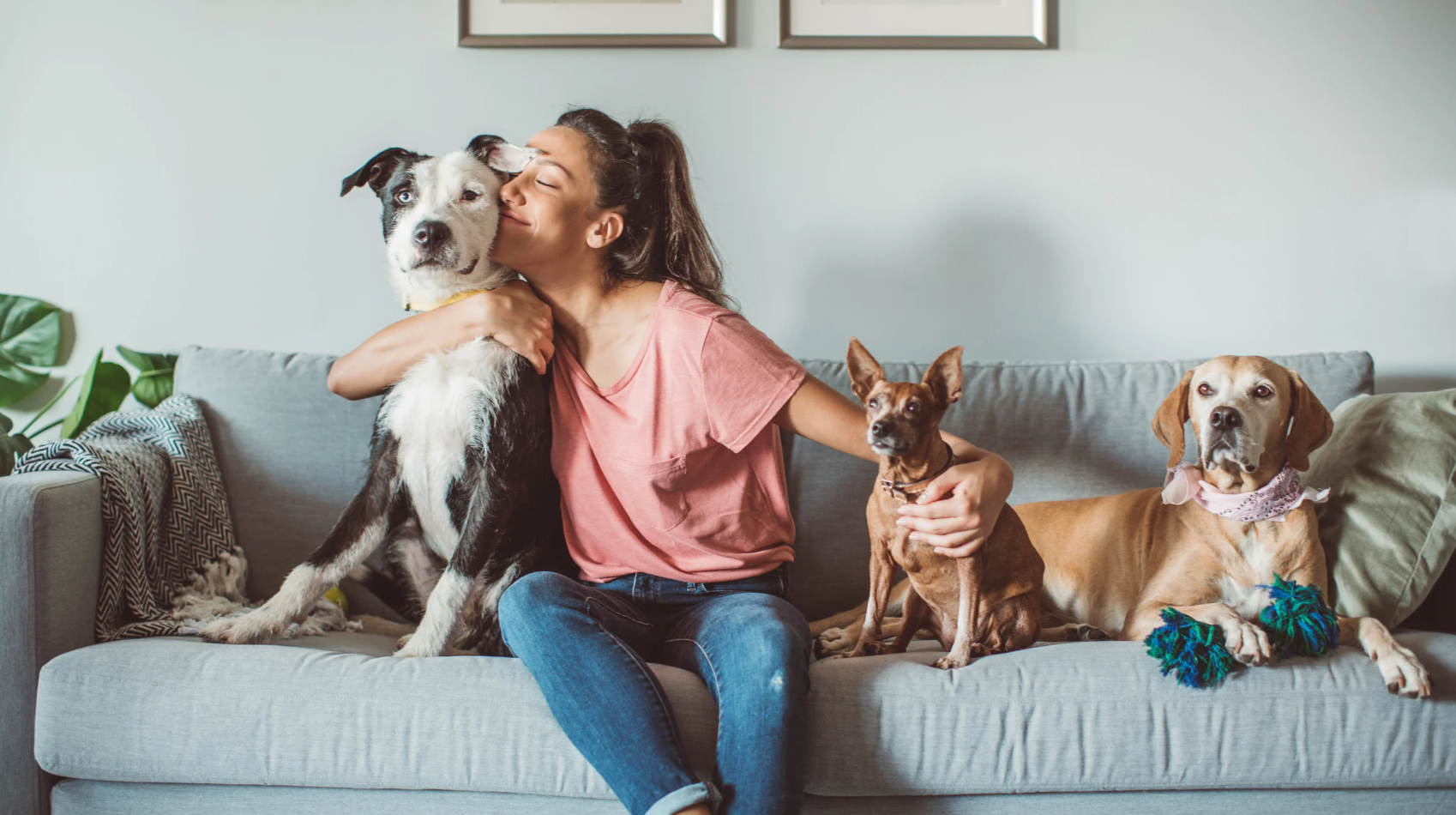
Living with pets doesn’t mean surrendering to chaos and ugly furniture. Your home can still look incredible while accommodating your furry companions—it just takes some clever planning and design know-how.
Materials That Can Take a Beating
When decorating a pet-friendly space, what goes into your home matters most. Those adorable paws, playful claws, and occasional accidents demand surfaces that can handle some abuse.
Durability should be your top priority. Look for tough fabrics designed to withstand punishment—performance microfiber, solution-dyed acrylics, and crypton textiles resist stains and clean up easily when mishaps occur.
Many interior designers recommend leather for pet households. Unlike fabric upholstery that collects hair, leather simply wipes clean with a damp cloth. Even better? Minor scratches blend into leather’s natural patina over time, disguising evidence of your cat’s enthusiasm for kneading.
Flooring choices make all the difference in a multi-species household. Hardwood might look gorgeous, but it scratches easily under active pet nails. Consider engineered versions, luxury vinyl plank, or porcelain tiles instead—they deliver visual appeal without sacrificing durability. Avoid wall-to-wall carpeting at all costs unless you enjoy living in a permanent fur repository. Washable area rugs provide comfort while allowing for easy cleanup when accidents happen.
Strategic Pet Zones
Does your home currently feature random pet beds plopped in corners, toys scattered across every surface, and bulky accessories disrupting your carefully curated aesthetic? There’s a better way!
Creating dedicated pet areas prevents that “overrun by animals” vibe. These spaces should integrate seamlessly with your interior design, not fight against it.
Kitchen renovations offer perfect opportunities for incorporating built-in feeding stations. Imagine pull-out drawers at floor level holding food and water bowls—they slide away when not in use, eliminating those constantly kicked dishes. Cabinets with dedicated pet food storage keep bulky bags and cans organized and out of sight.
Window seats serve dual purposes beautifully. Your cats get their sunshine perches while hidden storage underneath contains all those jingling toys, brushes, and other pet paraphernalia visitors don’t need to see.
Mud rooms transform into sanity-saving transition zones with the right pet-friendly additions. Install compact washing stations for muddy paws before they track through clean spaces. Add hooks for leashes, bins for toys, and cubbies for other outdoor gear to maintain order.
Camouflage Tactics
Even the best-behaved pets leave evidence of their existence. Hair, occasional odors, and worn spots on furniture are facts of life for animal lovers. Savvy design minimizes these issues without compromising style.
Textile choices can hide a multitude of pet-related sins. Selecting upholstery colors that coordinate with your pet’s fur makes shedding less noticeable. Medium tones generally show less hair than very dark or light extremes. Patterned fabrics disguise stains and wear better than solid colors, while textured options like tweeds and bouclés naturally conceal fur until cleaning day arrives.
Those necessary but ugly pet accessories need creative solutions too. Large wire crates dominating living spaces? Custom wooden covers transform eyesores into functional furniture pieces that double as side tables or consoles. Cat trees can be architectural features rather than carpeted eyesores when designed with aesthetics in mind.
Livable Luxury for All Residents
The ultimate goal isn’t just hiding pet stuff—it’s creating environments where everyone thrives together. Smart design allows your animals freedom while preserving your home’s beauty.
Consider indoor-outdoor access points that maintain aesthetic appeal. Modern pet doors can be beautifully integrated into sliding glass doors or custom cabinetry, ending the constant human doorman service pets seem to expect.
Natural materials work wonderfully in pet homes. They provide durability while bringing warmth and texture to spaces. Stone, wood, and other organic elements create connection to the outdoors that animals instinctively appreciate.
With thoughtful planning, your home can accommodate every family member’s needs—including those with tails and whiskers. The perfect balance exists between gorgeous interiors and pet-friendly functionality. You truly can have a magazine-worthy space without banishing your beloved animals to specific “allowed” areas.